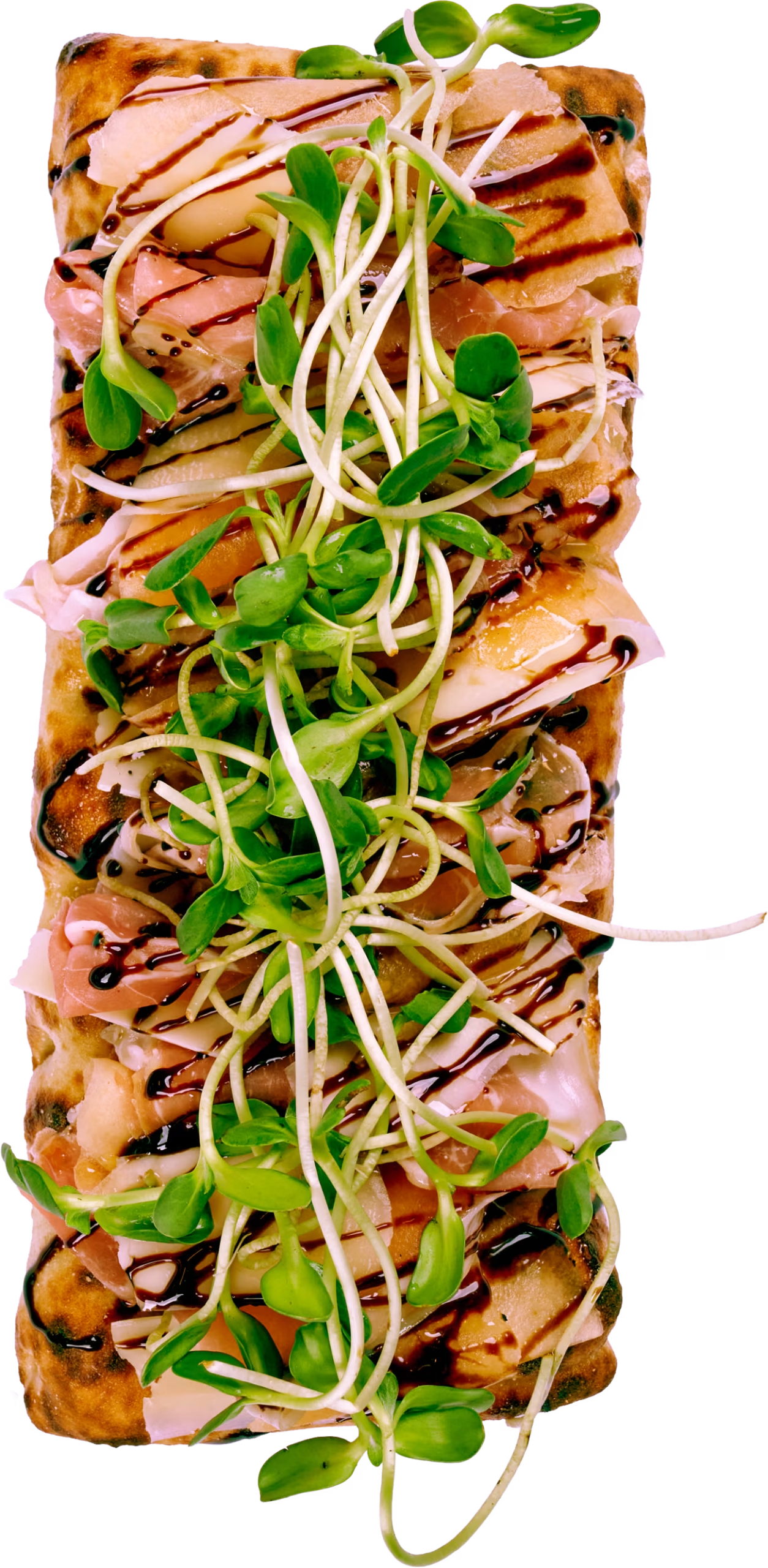
Prosciutto & Melon Flatbread
Prosciutto, melon, Parmesan, microgreens, Balsamic Vinegar
created on: 6.5″ x 12.25″ Traditional PINZZA™
get the recipe: Prosciutto & Melon Flatbread
Pinsa (pronounced “peen-sah”) is Rome’s favorite street food, and it’s easy to see why. Cloud-like inside, crispy outside, and fermented 24 hours for a lighter crust your customers won’t forget.
Prosciutto, melon, Parmesan, microgreens, Balsamic Vinegar
created on: 6.5″ x 12.25″ Traditional PINZZA™
get the recipe: Prosciutto & Melon Flatbread
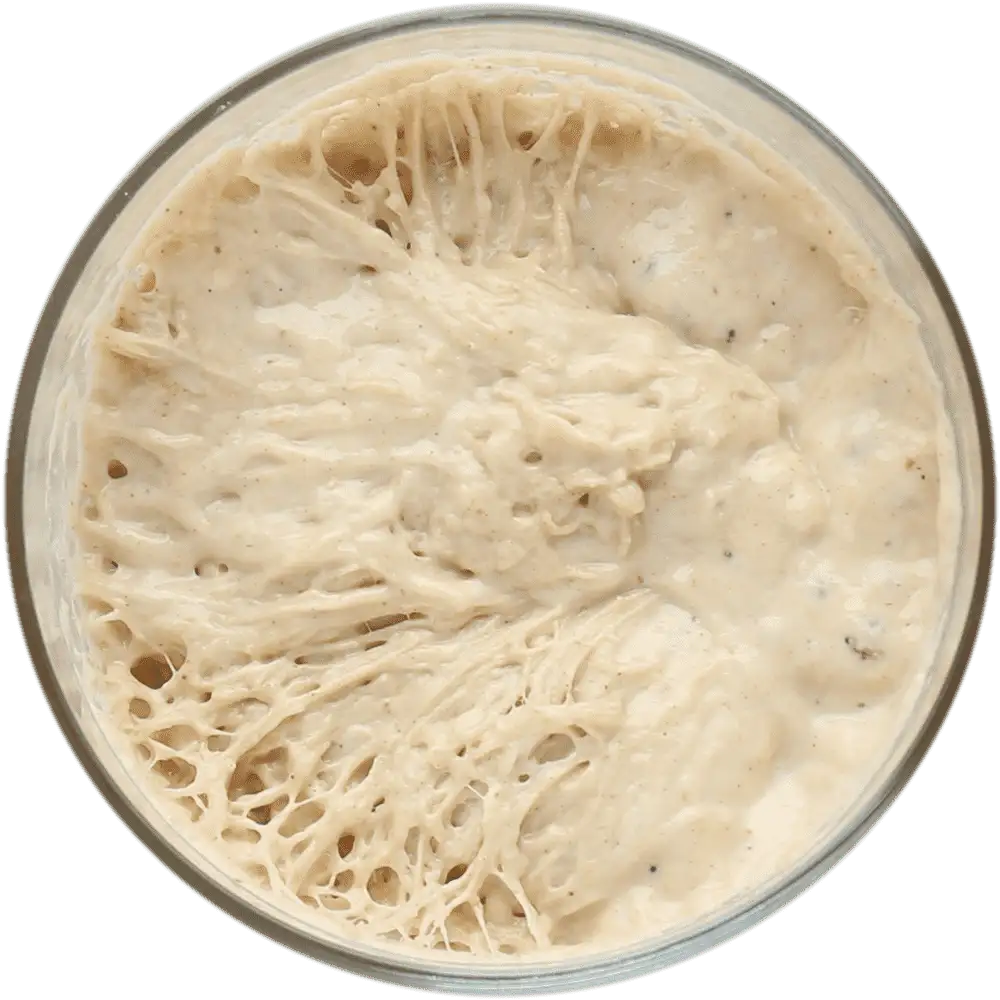
Sometimes, aged dough just tastes better. And that couldn’t be more clear with our Pinsa. Our 24 hour fermentation creates those signature bubbles and makes the crust easier to digest than traditional pizza. Win-win.
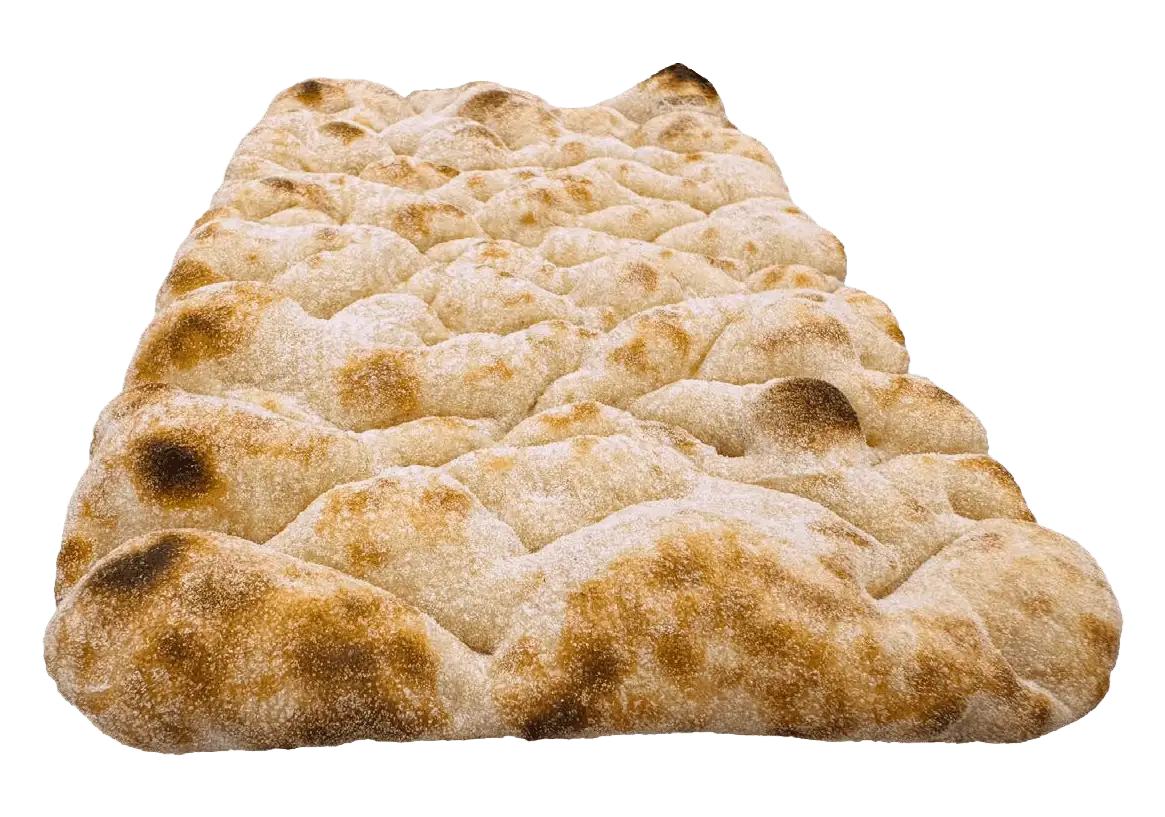
“Pinsa” comes from the Latin “pinsere”, meaning to press. Using special docking methods to replicate the traditional hand process, it’s just as gentle and every bit as amazing.
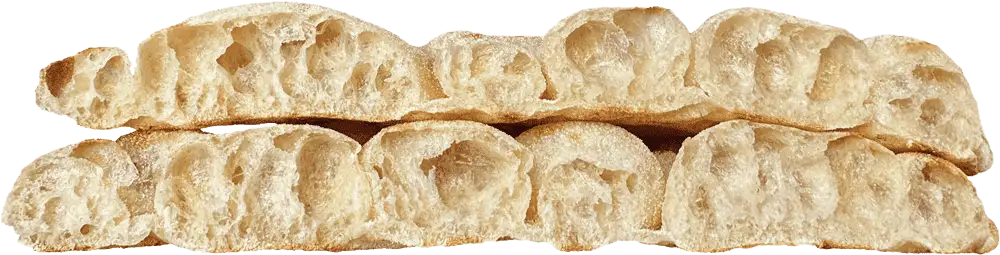
Wheat, Rice, and Soy flours. 80% hydration. It’s a combination you won’t find in regular pizza dough, and the reason pinsa is lighter, and easier on digestion. Science, meet delicious.
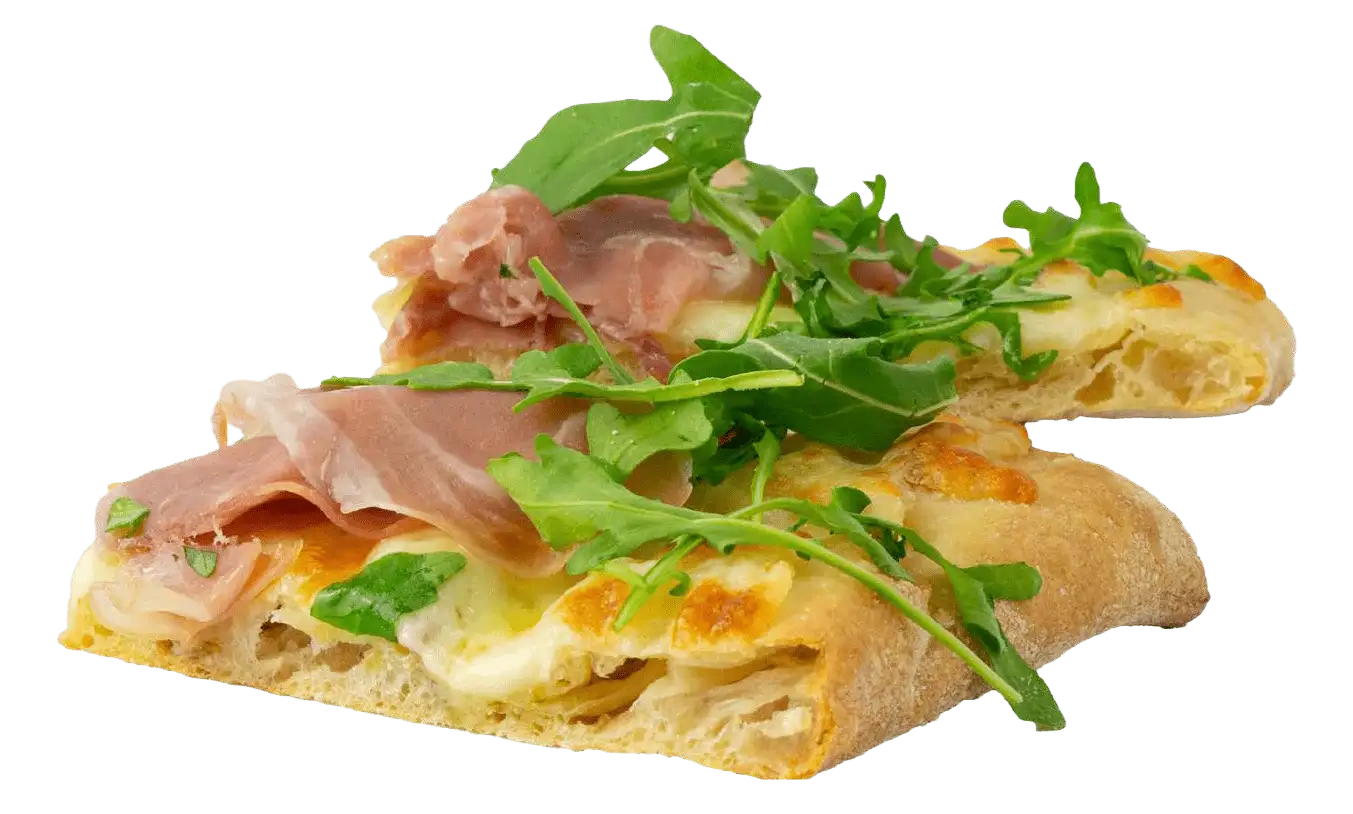
Crunchy on the outside. Airy and pillowy on the inside. It’s a texture that’ll have your customers asking what makes this crust so different. (Go ahead, tell them it’s the pinsa.)
Pinsa – the next evolution of pizza.

Pizza uses wheat flour. Pinsa uses a blend of wheat, rice, and soy flours.

Pizza dough runs 55 to 65% water. Pinsa hits 80%+ for a lighter texture.

Pizza rises 4 to 24 hours. Pinsa ferments 24 hours for deeper flavor.

Pinsa comes in a variety of shapes and sizes.

Pizza is chewy. Pinsa is crispy outside, cloud-like inside.

The combination of long fermentation, high hydration, and the different flours that disrupt the long chains of gluten – making pinsa easier to digest.
Similar vibe, different experience. Pinsa is lighter and more complex. The flour blend gives it a subtle nuttiness, and the long fermentation develops deeper flavor. Most people describe it as “pizza, elevated.”
Not quite. Pinsa contains wheat flour. But here’s the good news: the extended fermentation breaks down some gluten proteins, which may make it easier to digest for those with mild sensitivity. (It’s not suitable for Celiac disease, though.)
It’s definitely lighter. Pinsa is lower in gluten than traditional pizza thanks to the unique flour blend and high hydration. Plus, that long fermentation makes it easier on digestion. Your customers will feel the difference.
Pretty much anything you’d put on pizza, and then some. Traditionally, pinsa is lightly topped to let the crust shine – but is sturdy enough to handle creations of all kinds. Go wild.
Modern pinsa was developed in Rome in the early 2000s by baker Corrado Di Marco, though it draws inspiration from ancient Roman bread-making traditions. Today, it’s a staple of Roman street food and it’s finally making its way to menus across America.
Hot and fresh. For foodservice, par-baked pinsa crusts are topped and finished in a standard oven in just 4 to 6 minutes. Serve it straight from the oven, sliced or whole, as an entrée, appetizer, or shareable.
Pinsa comes in a variety of Shapes and Sizes to fit different menu needs. Traditional Oval, round, large rectangular options for sharing, and smaller sizes perfect for individual portions or appetizers.
Explore our authentic pinsa romana crusts, crafted for foodservice.